Nelson Penner / Landscape Sigilism / 01.19.2026 - 02.02.2026
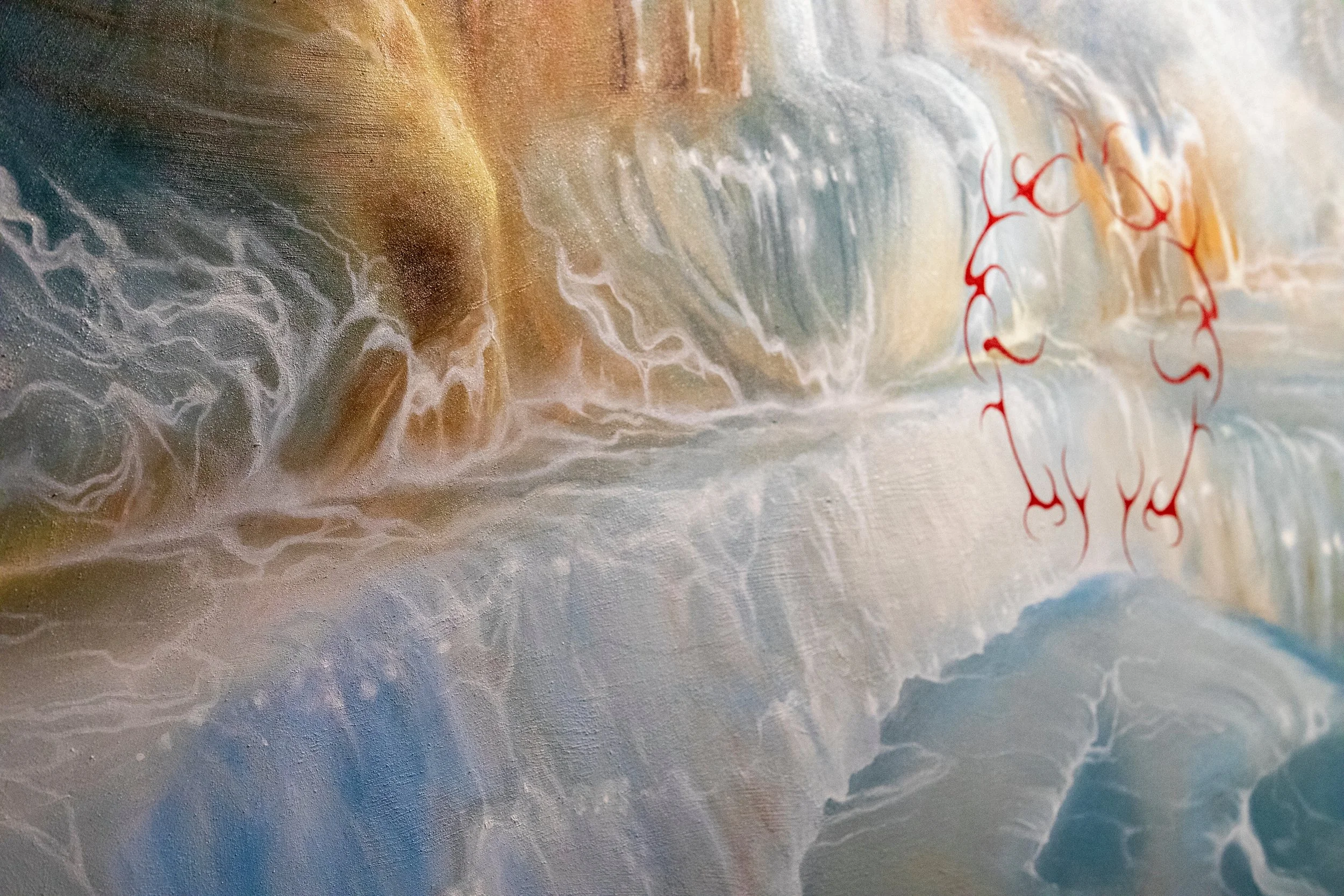
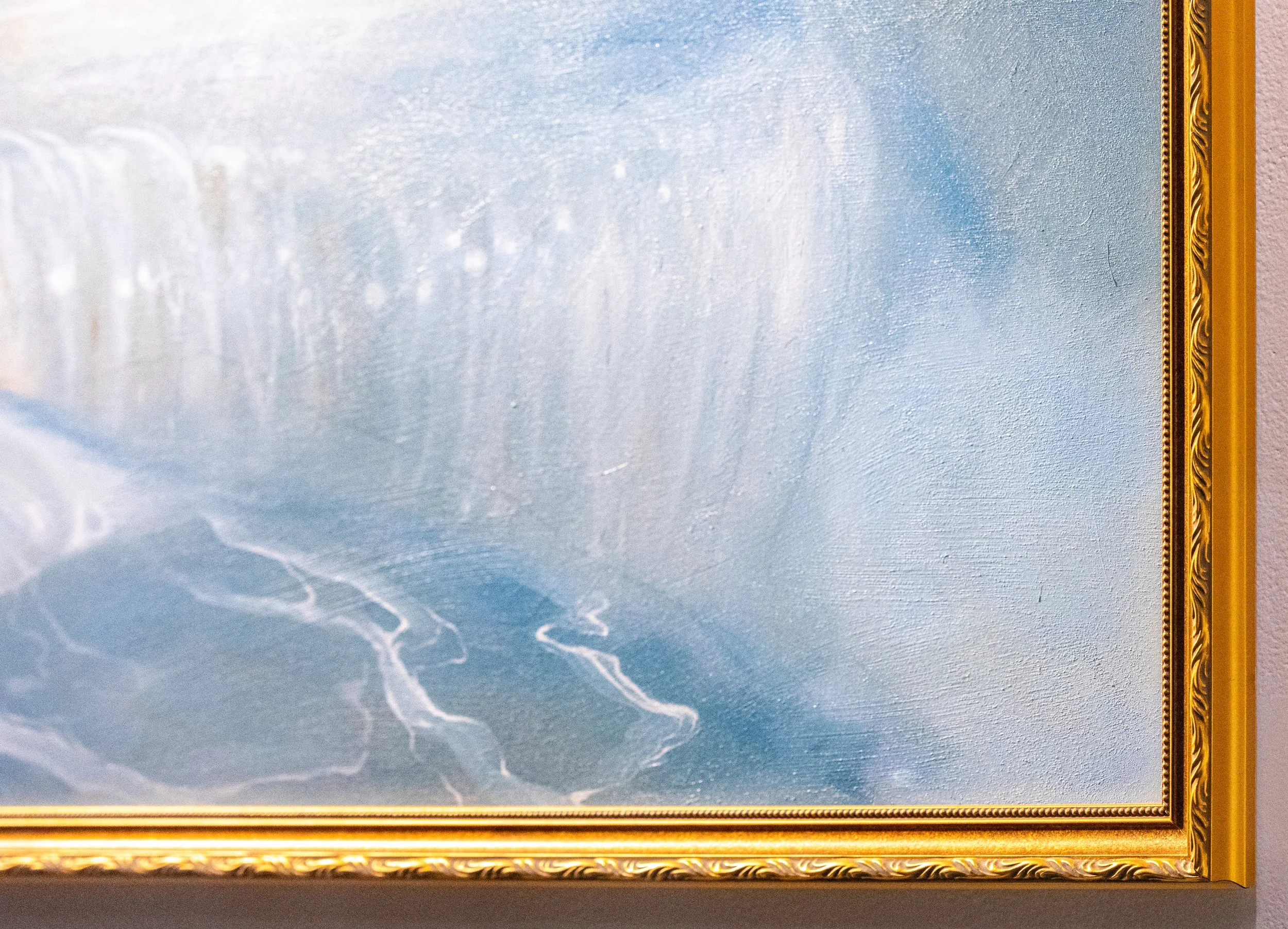
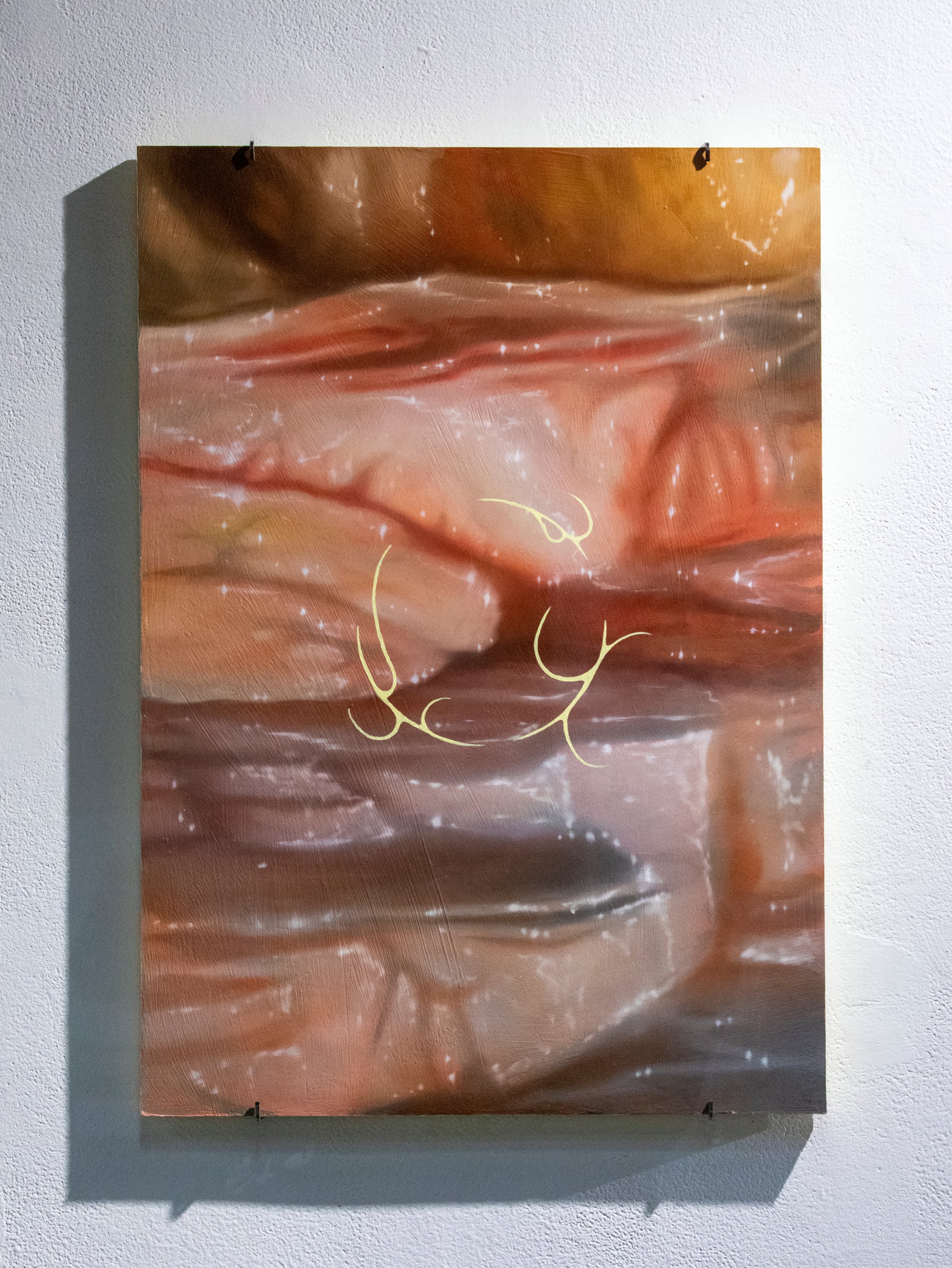
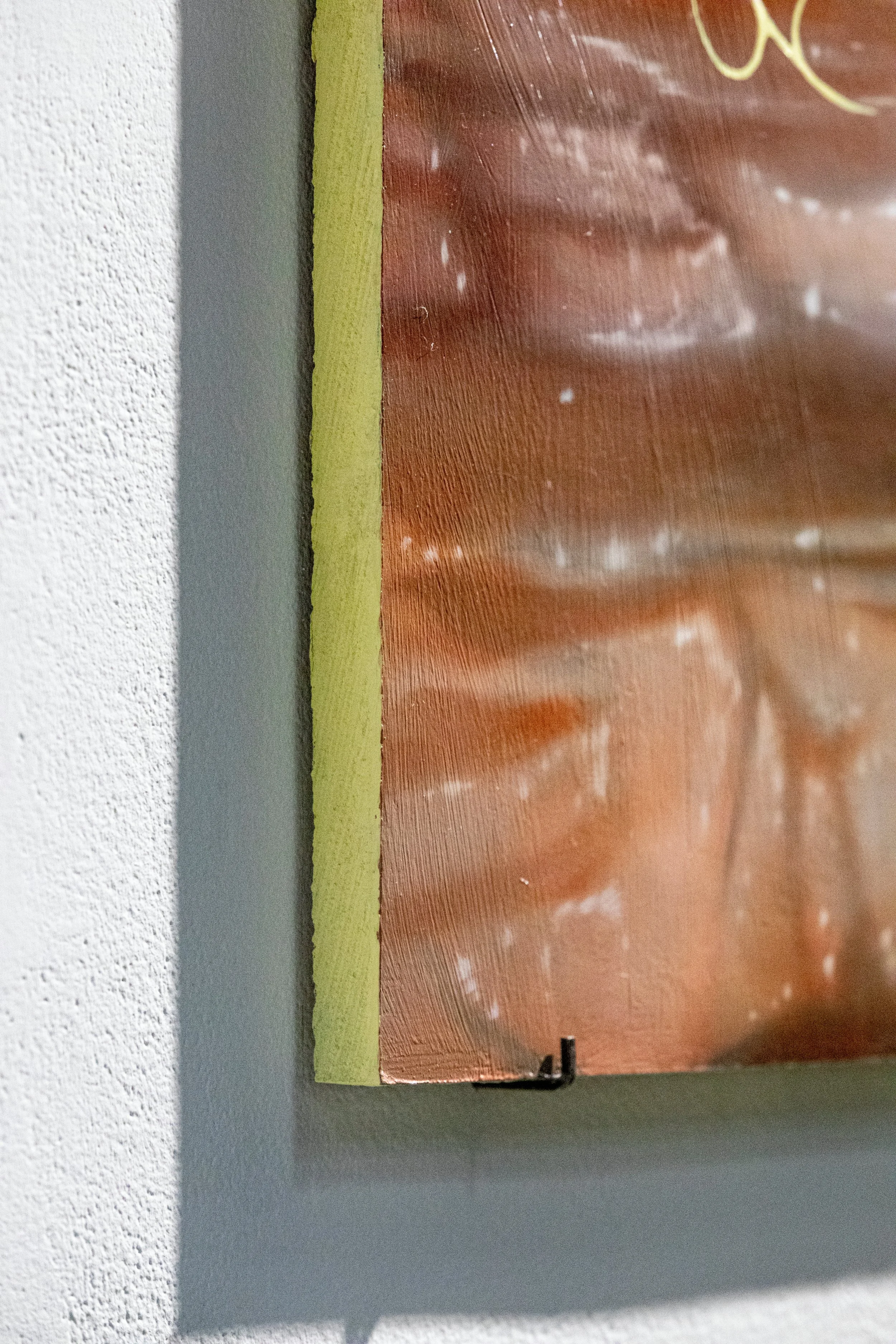
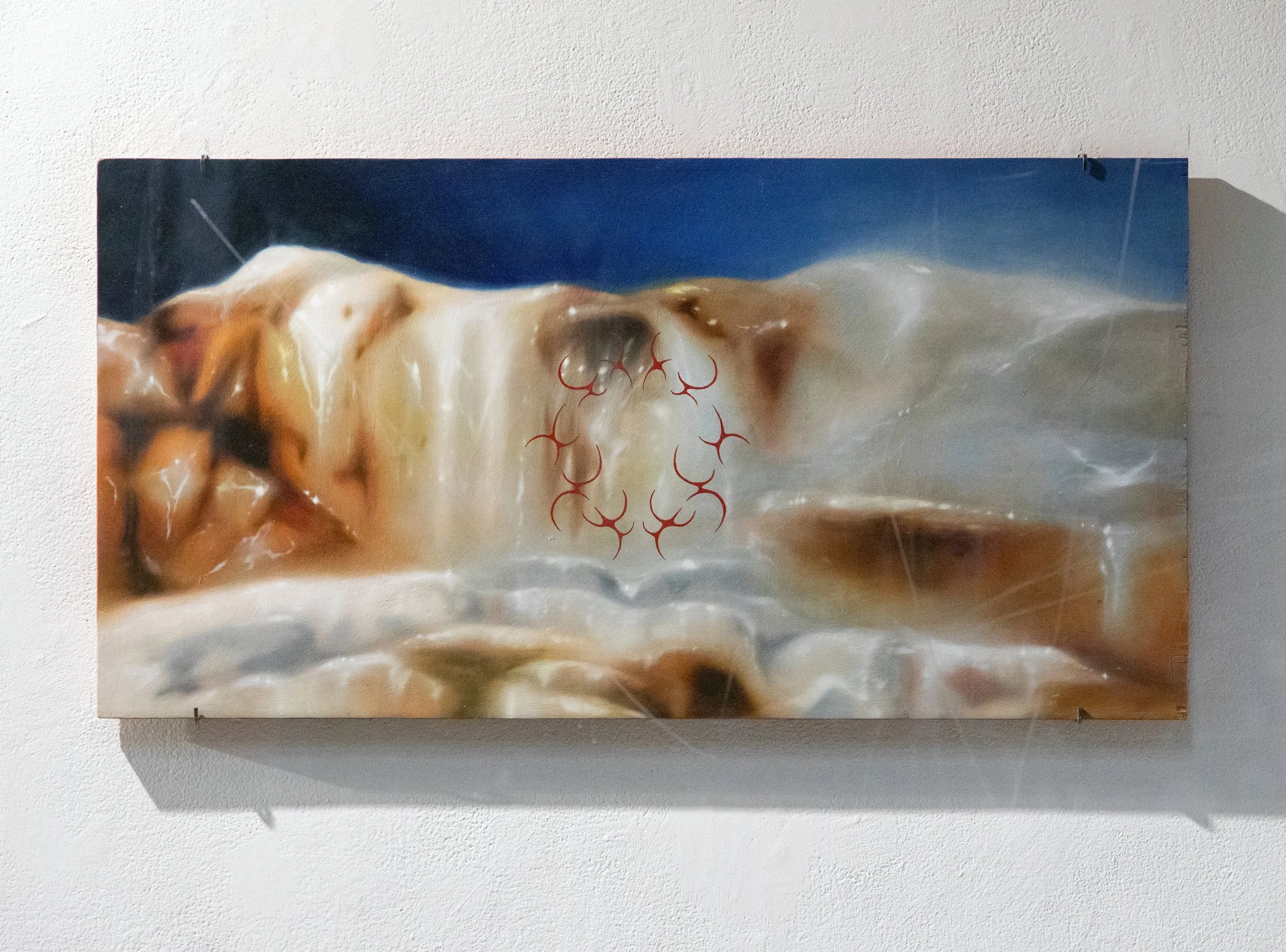
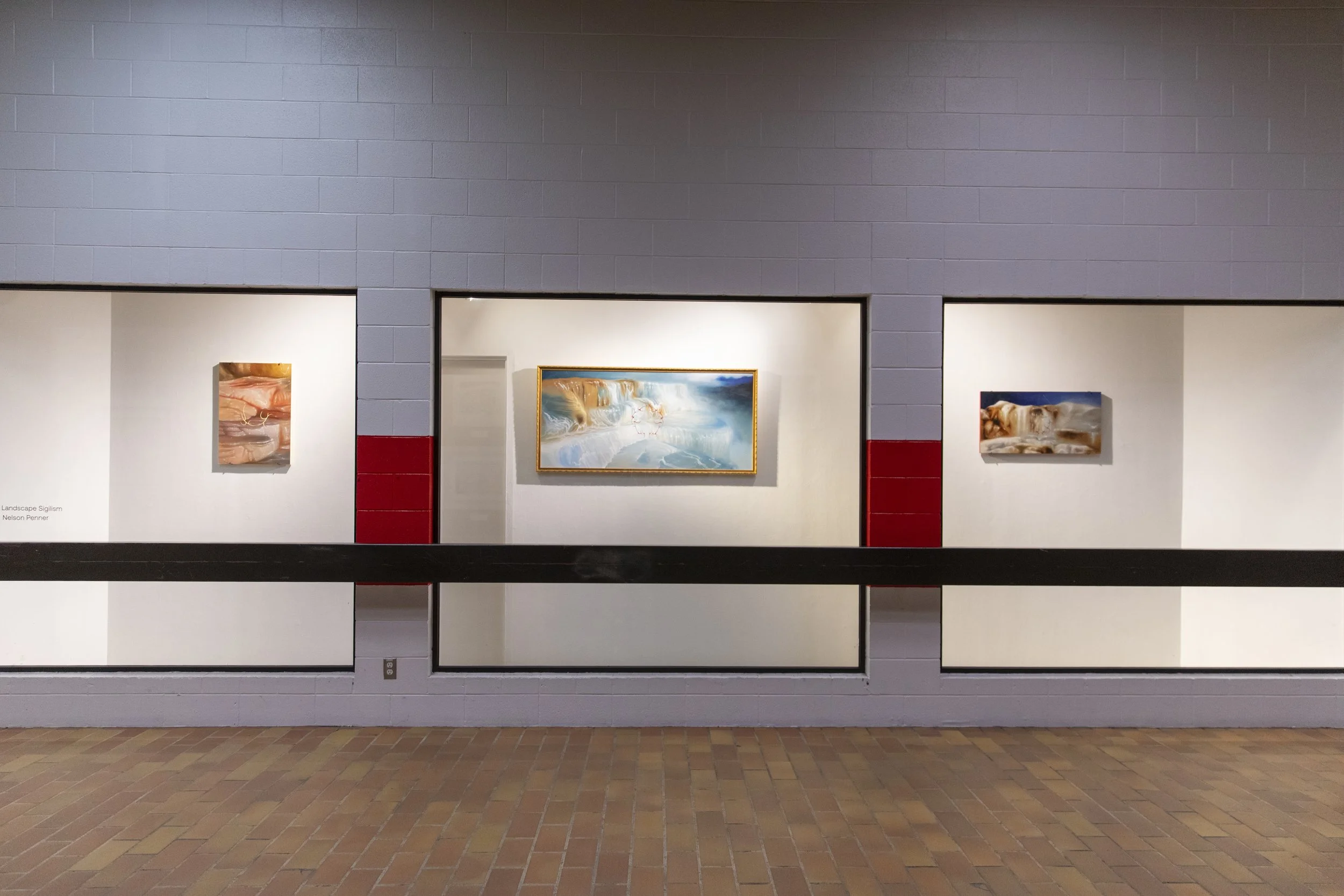
Landscape Sigilism is an exhibition that highlights nostalgia and isolation through painting and iconography. Art processes and personal history are key elements in executing this narrative. this grouping of work intends to make viewers feel contemplative and reminiscent. Conceptually the exhibition talks about the artists connection to the creative endeavours, specifically film photography, from their grandfather and other relatives. The exhibition also ties in the nostalgia and history of tattooing within the sigil designs present in the works. The sigils take design elements of retro tribal tattoos, and even call back to earlier imagery like the crown of thorns from a time when hand poking tattoos was common practice. A tattoo is a permanent yet aging reminder of a specific artwork and time period, and this alludes to the concept of nostalgia. Like aged ink in skin, or photo on paper, these memories fade with time. The paintings within the exhibition play into this quality by creating metaphysical atmospheres that allow space for contemplation. The exhibition is structured around a series of oil paintings that feature mineral waterfalls encased in sigils reminiscent of tattoos. The inspiration for these pieces comes from film photos the artist sourced through familial data banks, that were taken during the 1970s. Framing these falls are sigils that draw inspiration from camera lenses as well as retro tattoos. The paintings feel otherworldly but don’t include figures, allowing individuals to place themselves within the work. The artist is reminiscent of traditional ways of creating art, combining them into a singular creation meant to invoke memory. The falls are meant to take viewers to a liminal space somewhere in between dream and memory, and this connects to the other landscape piece that features an abandoned Alberta homestead. This piece is also meant to invoke a longing for once was and something that will never be again. The viewer is meant to feel a sense of limbo, acknowledging the past and the future. The main materials used in the exhibition are oil paint and scrap wood. Oil paint reminds audiences of a history of art within galleries while scrap wood talks to the reuse and new ways of finalizing a work of art. There are elements of tradition mixed with fresh ideas. Most of the wood is reused from the Alberta University of the Arts connecting the physical properties of the work to the building it’s being shown in. The final aspect of the exhibition is hand drawn and assembled zines that will be free to take. They showcase ambiguous f igures, nature, and tattoo designs tying in all of the elements of the exhibition. Because tattooing is part of the artists practice these zines also act as a form of dissemination and exposure when taken out of the gallery. Tattoos are a piece of art a person carries with them always, and because there are ties to this history throughout all the works, the zines work as a stand in for tattoos.
The artist is a mixed media painter with a focus on oil, while also utilizing digital tools and printing to represent forms of nostalgia. Through imagery of ethereal locations and somewhat familiar yet alien symbols the artist aims to make viewers yearn for something that is fading. Art practices used in the past like film photography, hand poke tattoos and historical painting are all incorporated into the sigils used by the artist, alluding to history while using new processes to place the work in a contemporary context. Photos taken by the artists grandfather influence some of the imagery and message of impermanence throughout the work. Places, people and ways of making art will never stay the same and there is beauty in the past and future.
@Nelsonjxmes
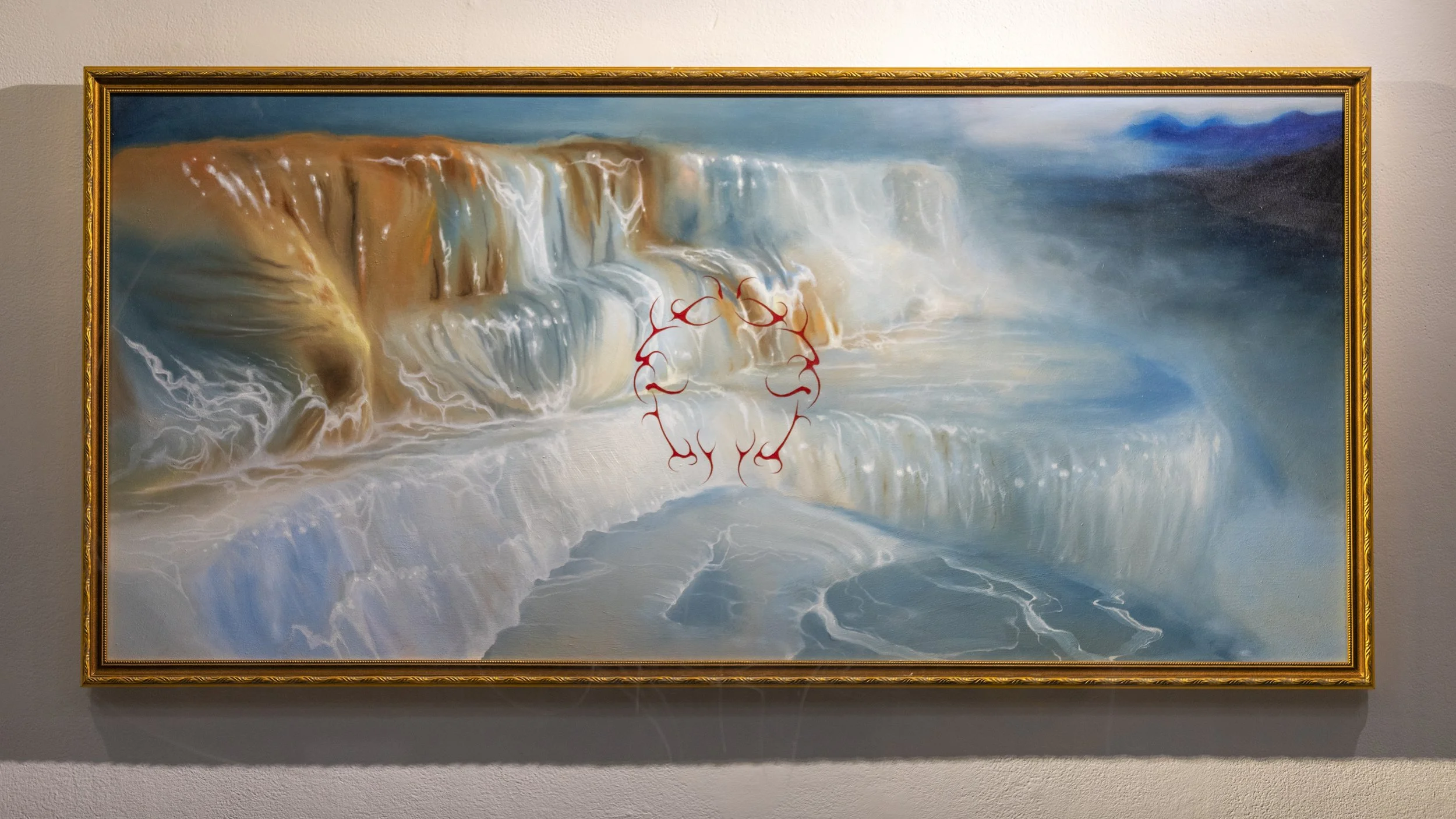
Generations, 2024