Love Behind the Lens /
Artist Statements
Efosa Afe
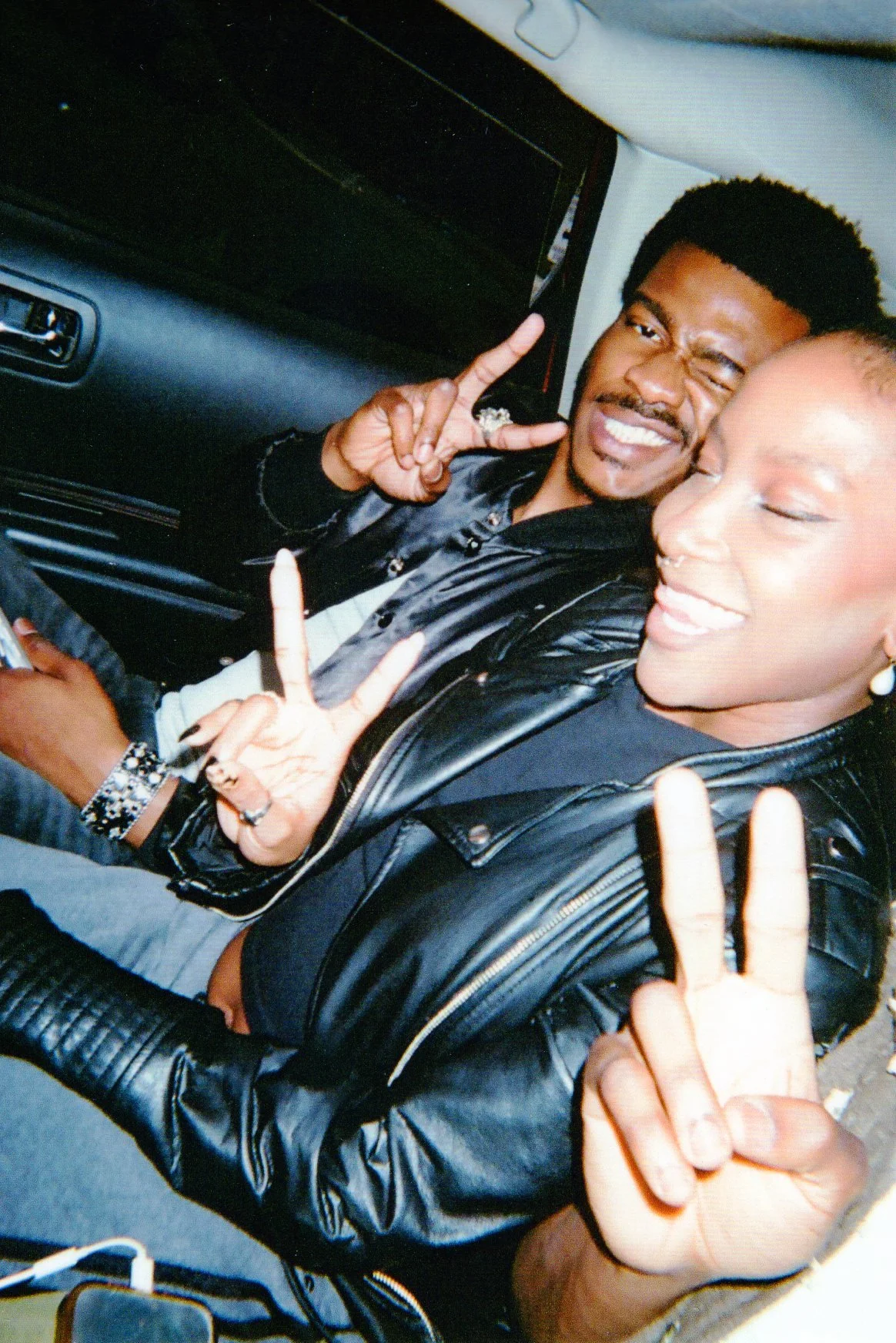
For Love Behind the Lens, I turned my camera toward the people I love. These photographs were taken during ordinary moments with friends — the kind of joy that’s hard to name until you’re standing inside it.
Working with a disposable camera meant giving up control. With a limited number of frames and no way to check what I’d captured, I had to let go of the instinct to perfect each shot and instead trust the moment itself. That surrender became part of the work: the blur, the imperfect framing, the unrepeatable second before someone laughs or looks away — all of it is the photograph.
What I was really chasing wasn’t an image, but a feeling — the intangible lightness of being with people who make you feel most like yourself. This work, for me is less about photography as craft and more about photography as presence: proof that the moment happened, and that I was there for it.
Allam El-Dib
I am a Lebanese artist, born and raised in Canada, living and working in Mohkinstsis. I have a background in filmmaking and photography and am currently studying ceramics and sculpture. My studio practice is largely experimental and often engages with political and social ideas, informed by my interest in Marxist thought. This project is somewhat of a departure from that work, giving me an opportunity to explore photography in a more personal and observational way.
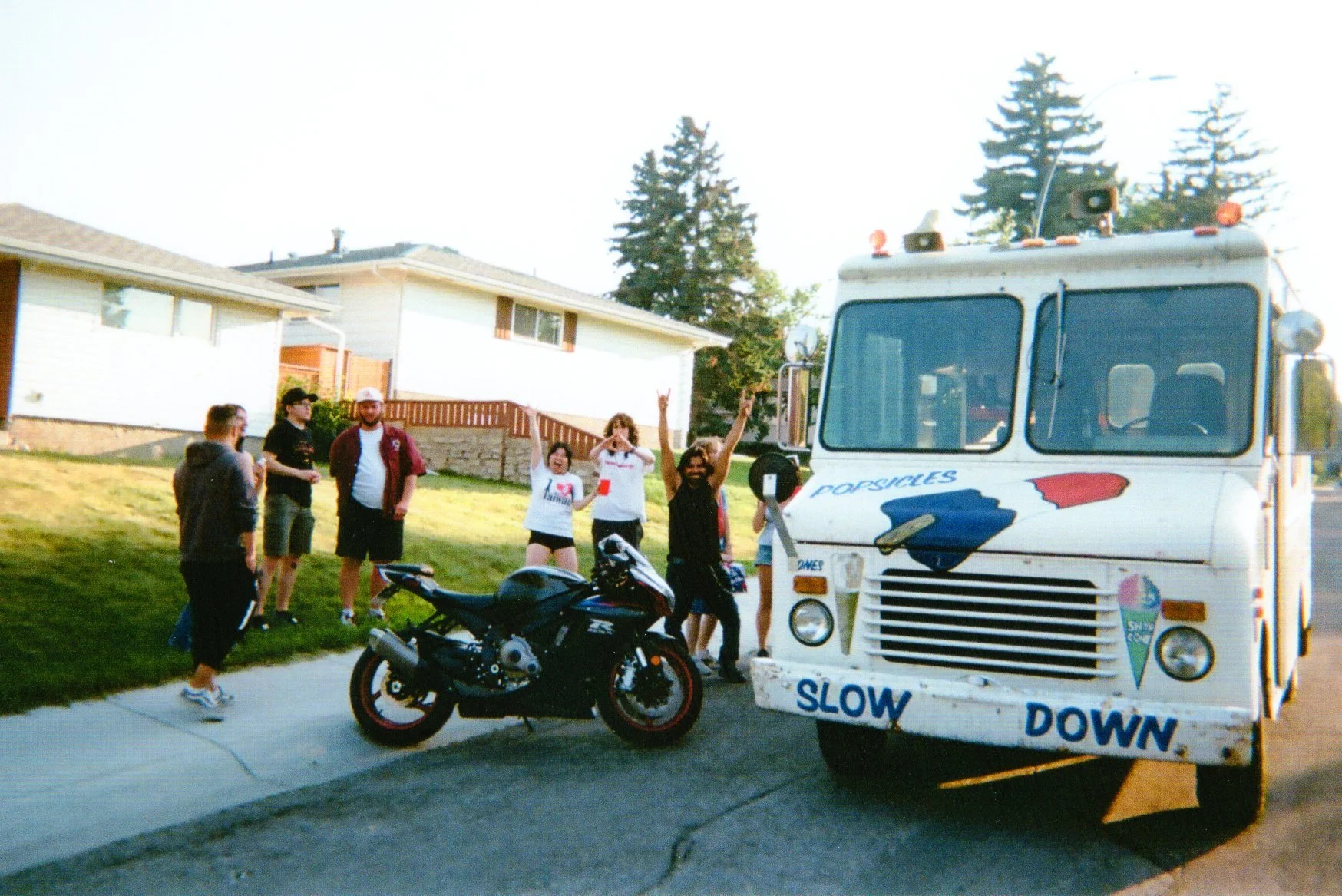
The photographs document sporadic and mundane moments from my everyday life. Some are lively, while others are quiet and seemingly insignificant. I wanted to explore forms of joy that are easy to overlook—brief moments of comfort, connection, or contentment that accumulate gradually rather than arriving as one dramatic event. This felt particularly meaningful to me because some of the most meaningful forms of joy in my own life have been quiet and gradual. Joy does not always look or feel extraordinary, and I wanted to give these quieter moments space to exist without needing to become something larger.
I have had a somewhat complicated relationship with photography, despite having experience in the medium, so I was interested in using this project as an opportunity to return to it. The limitations of the disposable camera encouraged me to photograph more instinctively and without the same pressure to make each image feel significant. Participating in the project has unexpectedly rekindled my interest in photography, allowing me to reconnect with the medium through a brighter and more personal perspective
@fromallam
Thea Galang
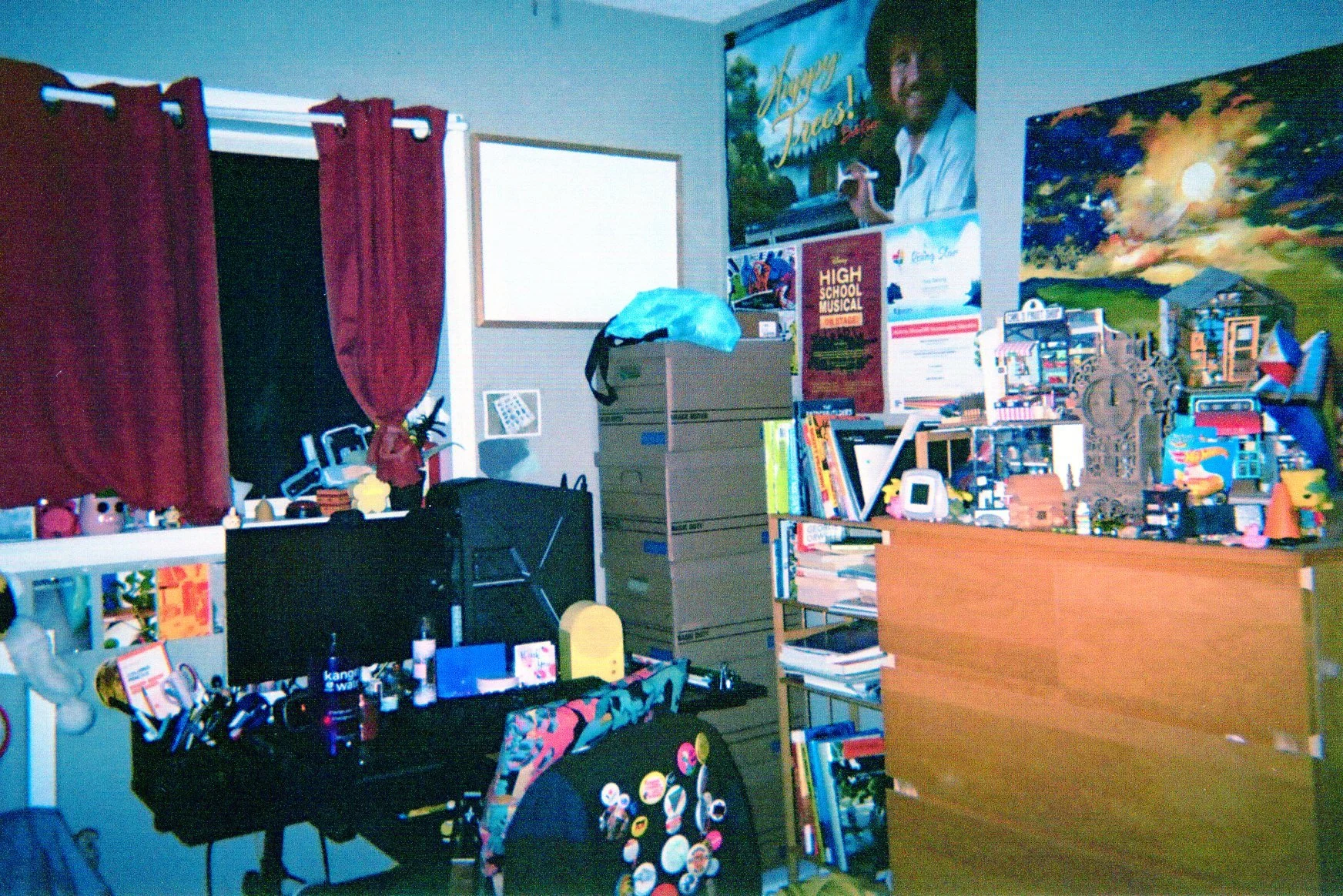
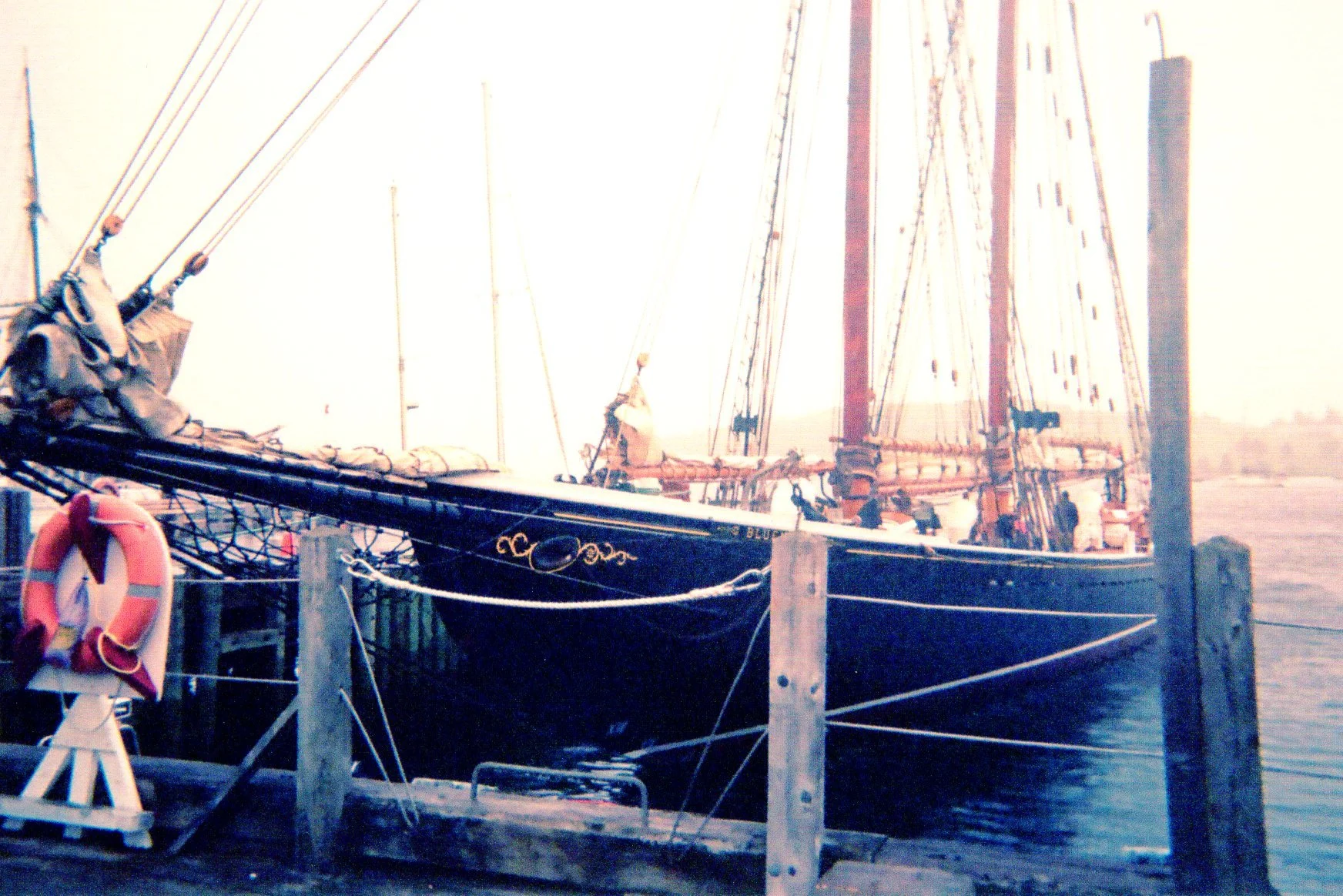
These photographs hold the quiet moments when I feel most at ease: running, sharing meals with friends, moving through crowds, and spending evenings alone. I am interested in the comfort of being with yourself, of feeling whole whether surrounded by others or entirely on your own. Within these moments, happiness can exist without needing to be named or explained. Often, the moments that become memories are the ones we barely notice as we collect them, quietly becoming part of who we are. For me, true happiness and love are found in feeling comfortable within a moment, to sink into it fully without needing to define it. These photographs reflect that quiet warmth: being present, being yourself, and finding contentment simply in being there.
Behina Tabatabaei
I joined this project as someone who enjoys photography as a way of capturing meaningful moments and experiences. Most of the photographs I take are not carefully planned; they are snapshots of places, people, and moments that made me happy or gave me a reason to pause and appreciate where I was.
The photographs I submitted reflect those moments. They document experiences and memories that felt worth preserving, not because they were extraordinary, but because they were meaningful to me.
What resonated with me about this project was its focus on the stories and perspectives of people of colour. My relationship with my cultural background is not always straightforward, and although I recognize the richness and value it carries, it is also connected to memories of hardship and uncertainty. Because of that, I appreciated being part of a project that creates space for people with different experiences to be seen and share moments of joy. Participating in the project gave me an opportunity to reflect on those experiences while revisiting moments that brought me happiness.
More than anything, these photographs are a collection of moments that brought me joy and felt worth remembering.
Maria Buenaventura
Guided by curiosity and instinct, Maria Buenaventura is a multidisciplinary artist and arts worker. She works across mixed media and digital processes, using each medium as a language to translate experience and emotion. Rather than pursuing a singular technique, she embraces experimentation and allows her work to evolve through feeling and play.
Her work often explores themes of girlhood, devotion, the body, love and grief, and the fragmented process of becoming. Her practice values honesty over polish and process over resolution. Alongside her artistic practice, Maria works as a Programs Coordinator at Alcove Centre for the Arts and serves as Secretary for the Calgary Cinematheque Society. Her community work is an extension of her art practice and her interest in care and connection.
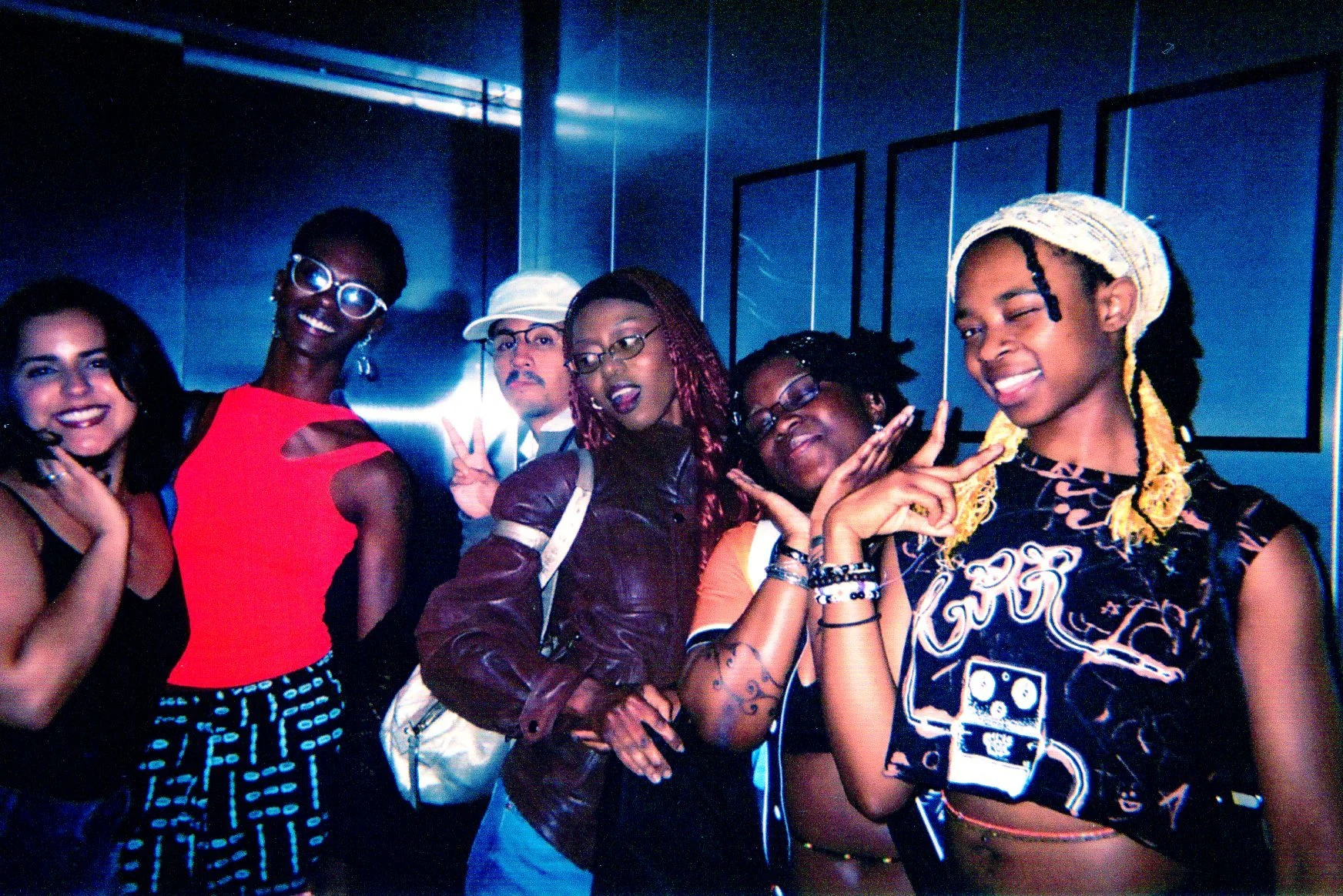
This project documents Calgary’s Ballroom community, specifically its Kiki scene, which provides a lower-pressure space for younger and newer queer performers to learn and find community.
I wanted to document this community because of what it has meant to me as a newcomer to Canada. When I first arrived, I was shy and awkward and found it difficult to put myself out there. Ballroom became a place where I could explore a new interest while also discovering more about myself and my queer community. The people I met welcomed me with so much openness that it pushed me to become more confident and social.
I was also drawn to the history of Ballroom and the people who continue to build the scene in Calgary. Taking these photographs felt like capturing the essence of Ballroom through the people who make it what it is. I was less interested in documenting performance as a spectacle and more interested in capturing the relationships and moments that happen around it.
In many ways, I began taking these photographs to document a community I was curious about, but realized I was also documenting a period of my own becoming. The project is about Ballroom, but it is also about finding belonging in a new place and the people who help you feel comfortable taking up space within it.
Angelyn Emeanuo
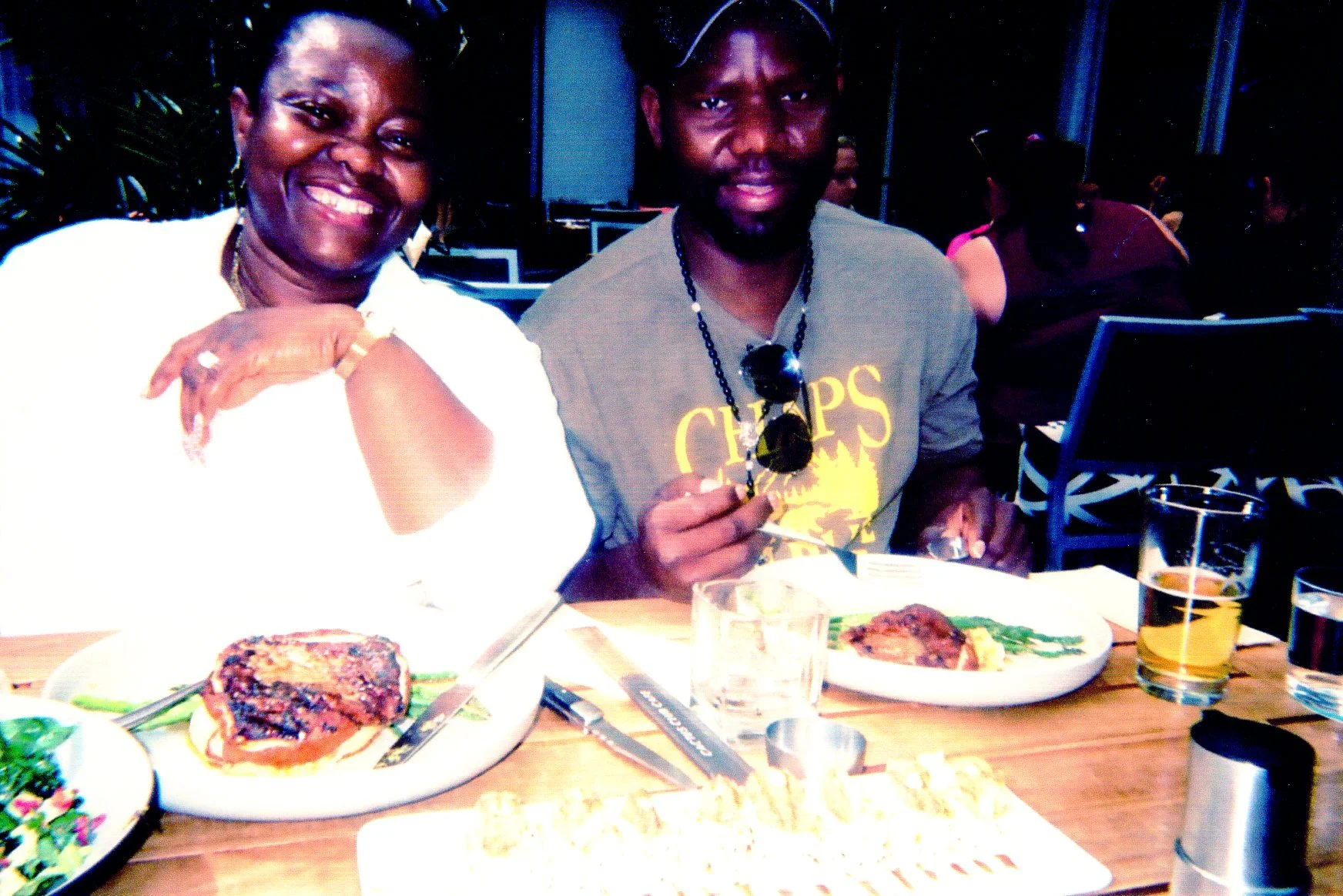
Captured across the table, this photograph caught my mother and step-father in an unscripted, completely unguarded moment. I cannot even remember what we were talking about; I just pulled a disposable camera out of my bag and hit the shutter before anyone had time to pose. The shot completely fails standard technical rules: it’s bleached out by direct flash with sloppy framing but that messiness is what preserves the casual, glowing ease of Black family life. I treated them to lunch that afternoon, and walking away with this record of their warmth made it all worthwhile.
Jason Jama
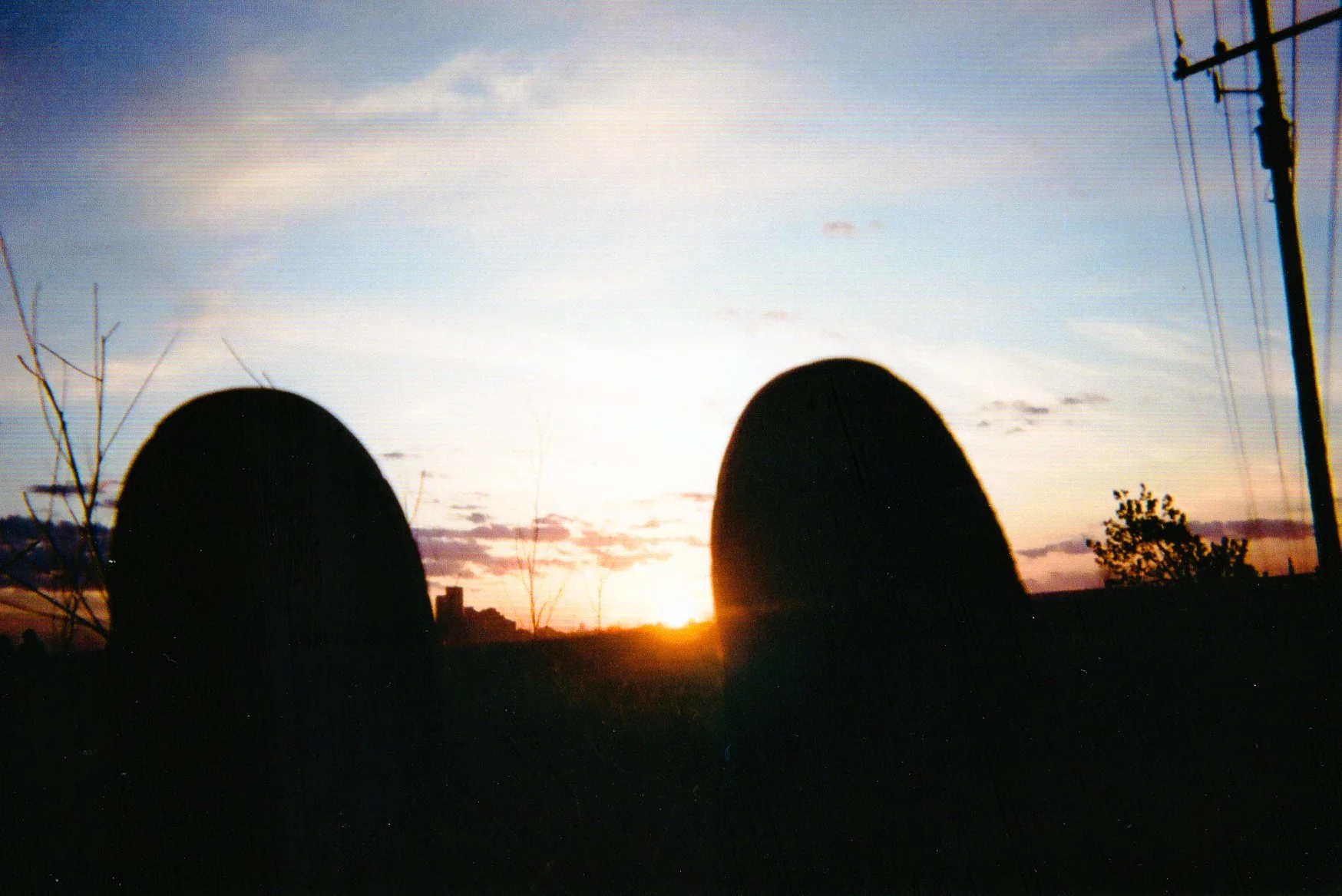
For my portion of this exhibition, I wanted to explore joy and contentment found in solitude. I felt it was equally important to show how people of colour can not only find happiness with their loved ones, but with themselves in their casual day to day life. I wanted to show that being by yourself in the moment does not mean you're alone; you can reach a sense of fulfillment by just simply living with the knowledge you are loved.
MelVee X
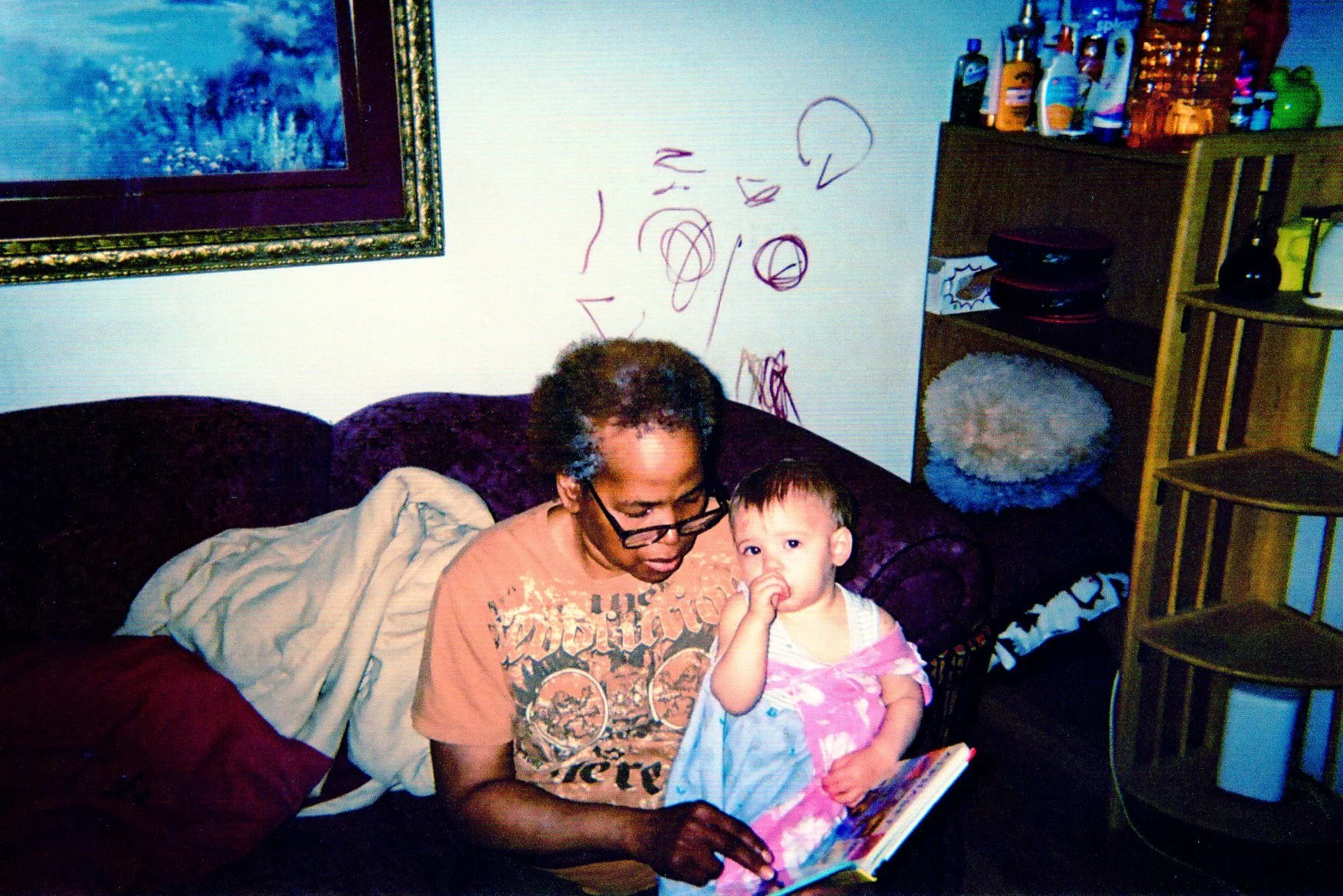
I chose to document joy in my family life.
Given that I'd be in the third trimester of pregnancy and the beginning of the postpartum period during the duration of the project, I knew I wouldn't have the capacity to pull off subject matter which took me far from home. Pregnancy and postpartum can be temporarily disabling physically and are certainly permanently life altering.
As a free spirited artist and a woman, resisting the constraints of domesticity has been an integral part of my practice. Instead of despairing about my new reality, I chose to use this limitation as an artistic challenge - where is BIPOC joy located when I don't have freedom of movement or subject matter? Well, in the home and family itself. Hence my subject matter for the project.
It's also been an integral part of my artistic practice to speak truth to power, so the challenge of this project to highlight joy was a meaningful one. Challenging anti-Black racism and systemic oppression is part of my life as a Black artist, but why should my joy be any less “real” or authentic in my practice? Illuminating the joy in my family life is its own resistance to white supremacy and oppression; a challenge to the limits of vision white supremacy attempts to impose on Black life.
I'm perpetually inspired by James Baldwin, Toni Morrison, Kehinde Wiley, Danez Smith, Saul Williams and Carrie Mae Weems.
MelVee X is a multidisciplinary artist, with practices in spoken word poetry, burlesque performance and photography. She centers historically silenced voices and experiences in her work. Her latest venture, Speak Up YYC, is a literary and multidisciplinary hub dedicated to speaking up, speaking out and speaking truth to power. Catch her latest exploits on IG: @melveex and @speakupyyc